

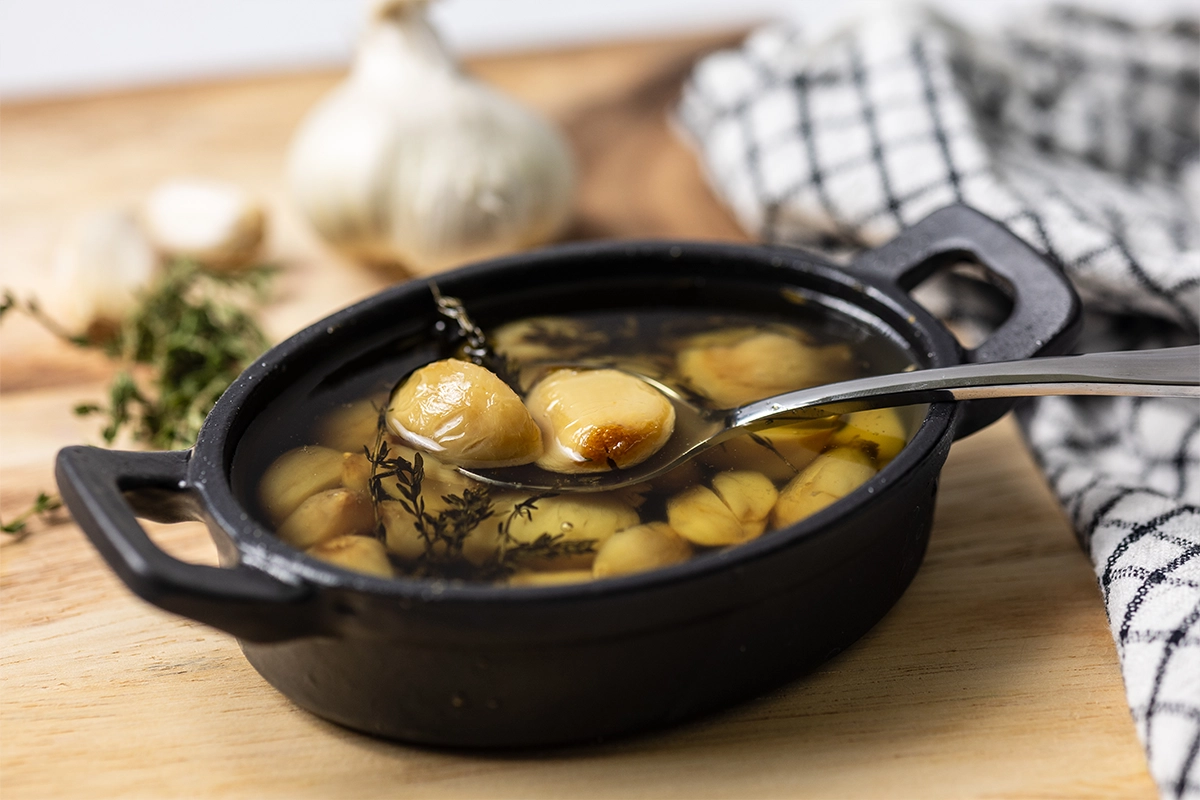
Duck Fat Garlic Confit
Duck fat garlic confit is an essential in my kitchen. I love having a jar ready to go to stir into soup, blend into a vinaigrette, or just smear over roasted veggies. Each clove adds a mellow, caramelized depth that raw garlic could never match. “Confit” might sound fancy, but really it just means slow-cooking in fat. The gentle heat draws out the garlic’s sweetness and softens its sharp edges until it’s buttery and rich. While plenty of recipes call for olive oil, I turn to duck fat instead. It’s a natural fit for AIP, Paleo, and Whole30 cooking, and it pays homage to confit’s origins: duck slow-cooked in its own rendered fat. Even better, the fat itself becomes infused with roasted garlic flavor, ready to be used again to roast vegetables or to sear a steak.
How Duck Fat Garlic Confit fits AIP, Paleo and Whole30
This duck fat garlic confit recipe is the perfect method for AIP, Paleo and Whole30 because it leans into the guidelines around using solid fats for cooking. Duck fat is more stable over long cooking times, so it won’t break down and develop the off smells or bitterness that olive oil often can. Garlic is also a natural anti-inflammatory and fully compliant with ancestral diet programs.

Free Recipe Book
The Everyday Botanical: Tonics, Elixirs and Calming Blends
A quiet cup can change the shape of a day. Warm mugs, iced teas, and mocktail sparklers you can make at home to support calm, aid digestion, and bring you back to center, using familiar ingredients and a little kitchen practical magic.
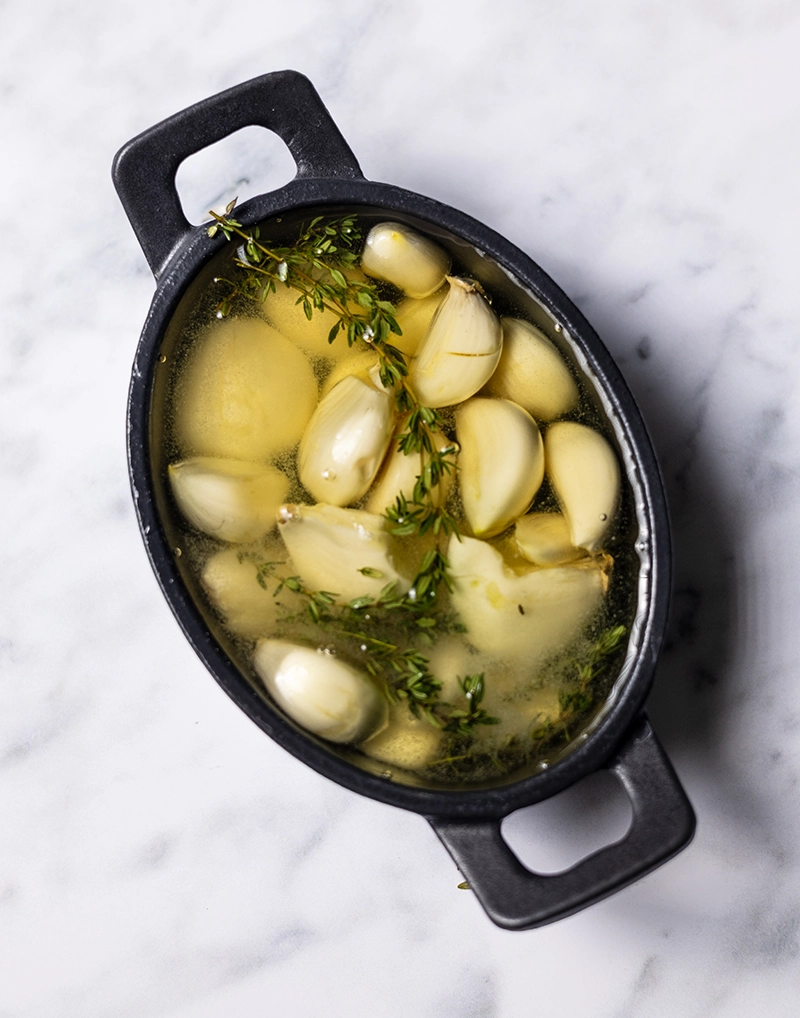
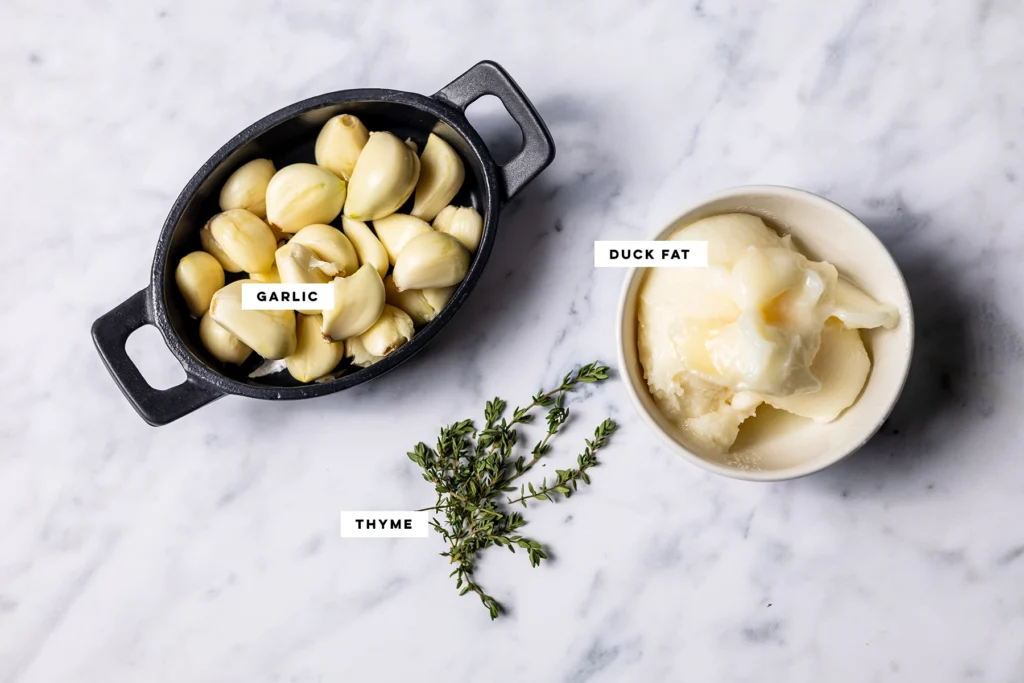
Duck fat is a solid cooking fat, but it melts just above room temperature. If your duck fat is solid, you can melt it in the microwave or in a small saucepan on the stove over low heat until it’s melted and pourable. You’ll need around a cup, or just enough to fully submerge the garlic. Crack open two heads of garlic, separate the cloves and press each clove gently with the flat of a large knife to loosen the skins. Nestle the garlic into a small baking dish or evenly divide the cloves across two small ramekins, then pour the duck fat over and add in a few sprigs of thyme. (Rosemary, oregano and sage are also great options if that’s what you have in your kitchen.)
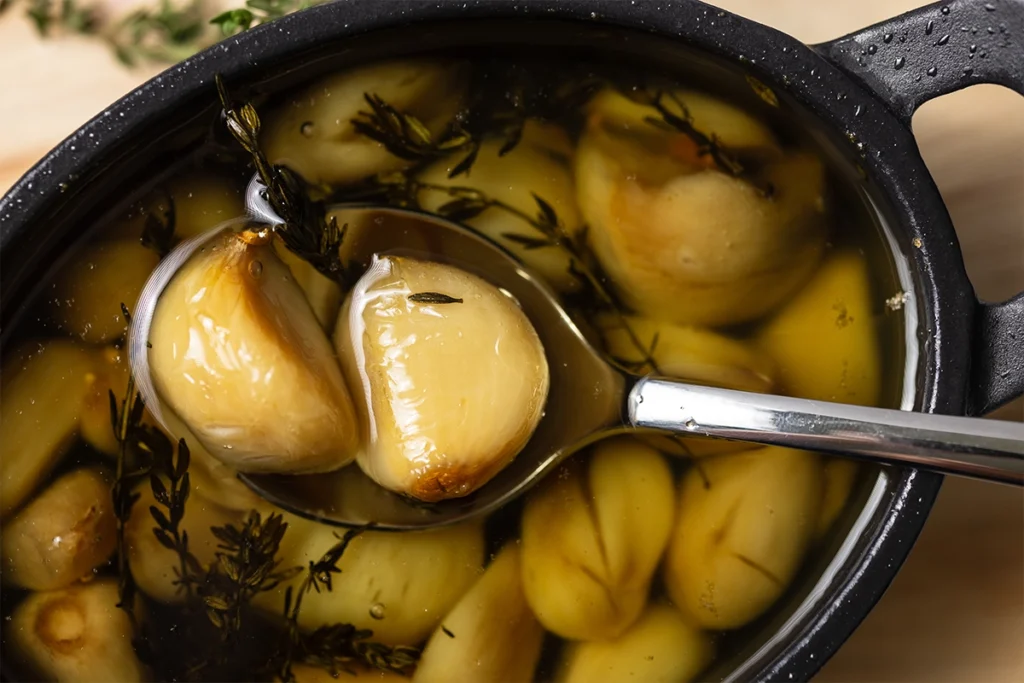
Transfer the baking dish to a 275° oven. I like to place the baking dish on a sheet pan for stability and to catch drips and splash-overs. Bake for 30 to 45 minutes, or until the garlic is soft and jammy. Keep an eye on the duck fat as the garlic cooks. Boiling means your oven is too hot, and you’ll want to turn it down. No bubbling at all means your oven is too cold, so you’ll want to turn it up. Adjust in 15° increments until the duck fat is at a gentle or scant simmer.
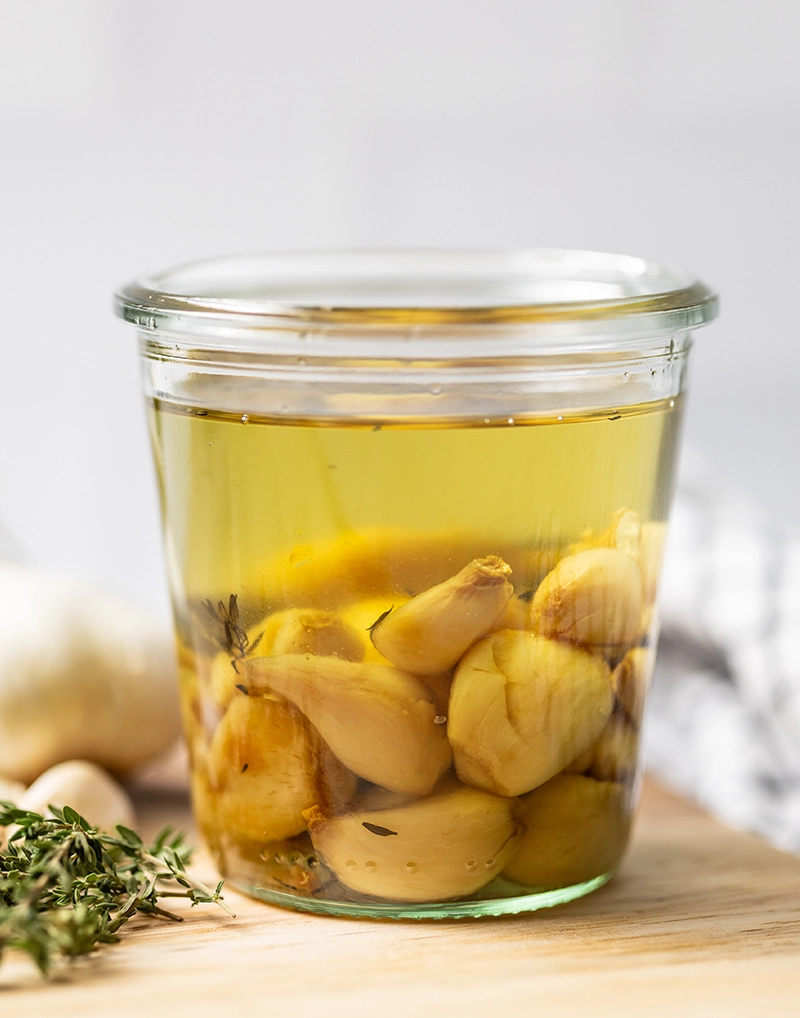
Once the duck fat garlic confit is cooled a bit, you can store it in the fridge or freeze it. I tend to keep a few cloves in the fridge with the duck fat. There’s a risk of botulism with storing garlic confit (and the fat it’s cooked in), so I take this very seriously and only refrigerate as much of the duck fat and garlic I’ll use in a week. I keep it sealed in an airtight container and put it in the coldest part of my fridge (which is usually the back, and definitely not on the door). The rest I pluck out of the fat and freeze in an airtight container (a Ziploc bag does the trick) for up to 6 months. And I freeze the garlic-flavored duck fat separately for use in the future, too.

A New Way to Listen
Find your inner compass
Even when you’re following a food framework carefully, questions still come up. Sometimes it’s as simple as, This food is allowed, but does it actually work for me?
Your body already knows. This free three-part series shows you a simple way to decode those answers into clear signals you can use when making everyday decisions, starting with food.
Duck Fat Garlic Confit FAQ
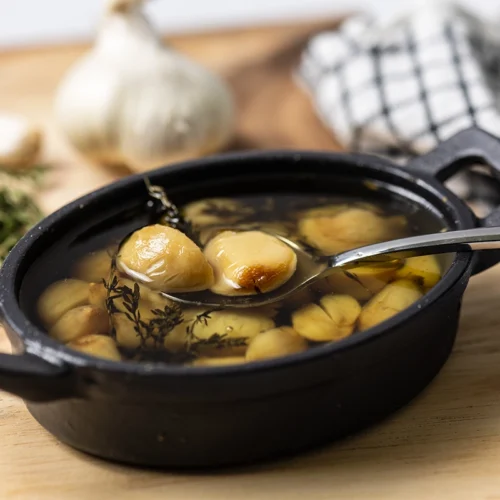
Duck Fat Garlic Confit
Ingredients
- 1 cup duck fat
- 2 heads garlic
- 2-3 sprigs fresh thyme
Instructions
- Heat the oven to 275°.
- Separate the garlic cloves from the bulbs and peel them, lightly crushing each clove with the flat side of a knife to loosen the skins.
- If the duck fat is solid, warm it briefly in the microwave or in a small saucepan on the stove until just pourable.
- Arrange the peeled garlic cloves in a small baking dish and pour the duck fat over until the garlic is completely submerged. Tuck in the thyme sprigs.
- Transfer to the oven and bake until the garlic is soft, golden and fragrant, about 30 to 45 minutes, keeping the fat at a gentle simmer. If it bubbles too vigorously, lower the oven temperature slightly.
- Let cool, then pour the garlic and duck fat into a heatproof container, making sure the cloves are fully covered. Refrigerate and use the duck fat and the garlic within one week, or remove the garlic from the fat and freeze the cloves and fat separately for up to six months.
Did you make this recipe?
I would love to hear from you! Leave a comment or a rating below.
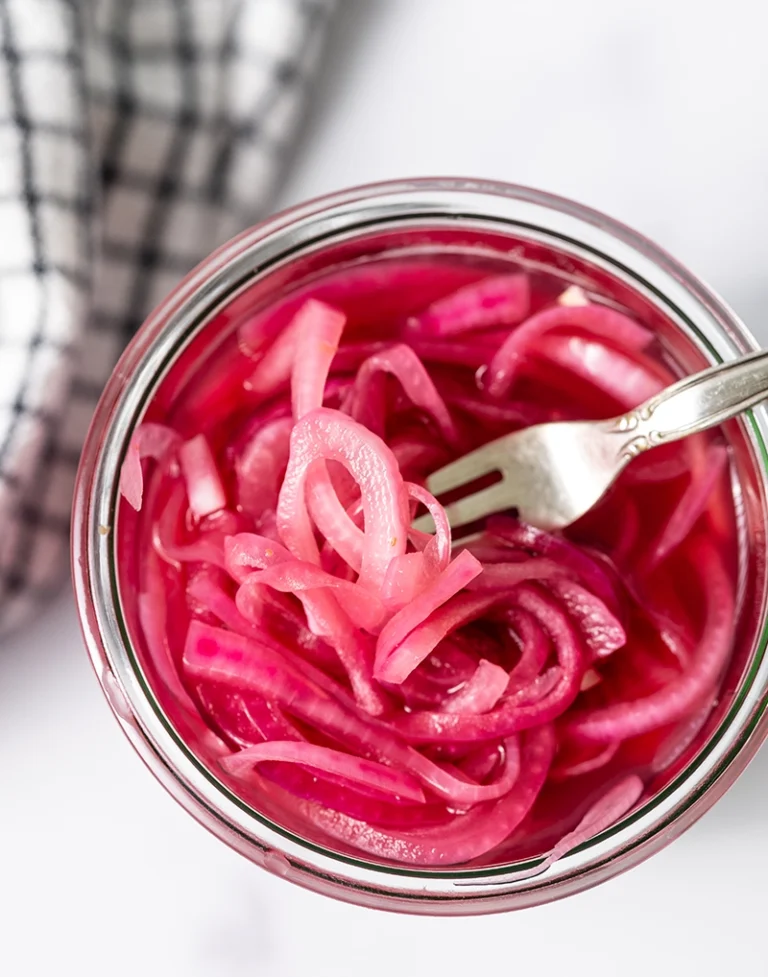
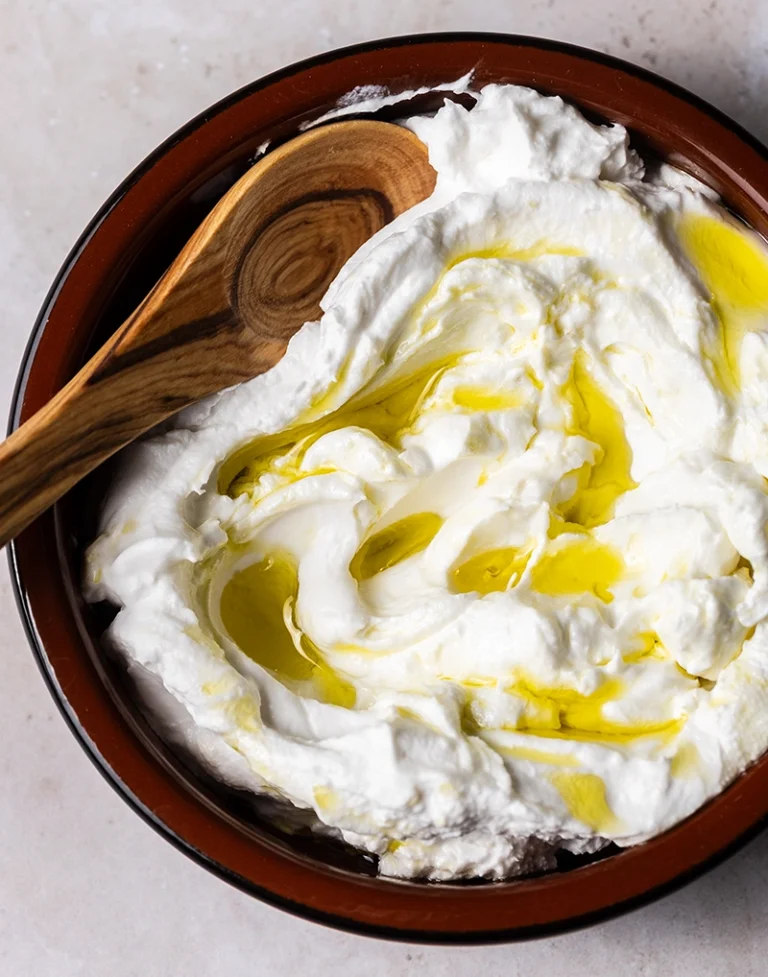


A must-have for jazzing up soups, roasts, you name it…